

KPV Dosage Chart: 200 500 mcg Daily, Units & Schedule 2026
They are structurally unrelated molecules with different sizes, half-lives and mechanisms, so amounts are not transferable between them. Your veterinarian owns the diagnosis and the treatment plan. One last thing, and it matters more than any of the above. If your dog’s problem is a limp, a cruciate injury, a post-surgical recovery or the slow mobility loss of a senior dog, KPV is not the molecule the research points you toward. No official peptides for dogs dosage chart exists, because BPC-157, TB-500 and KPV are not FDA-approved veterinary drugs and no label-sanctioned dose is published for them. Consistency across dosing days matters more than precise timing.
After the addition of bacteriostatic water, the size of the vial and the volume of water entirely determine the syringe units. Subcutaneous KPV is frequently mentioned for achieving broader systemic objectives, as it avoids the digestive system and results in more consistent exposure. The most focus on gut-targeting KPV peptide administration is placed on oral dosing due to the presence of PepT1 in the intestinal transport pathway. Therefore, a peptide is available that is inherently anti-inflammatory, can be taken orally, and lacks the hormonal side effects associated with the other components of the alpha-MSH molecule. KPV originates from the molecule’s opposite end and completely avoids the receptors. This corresponds to the full molecule, which explains why searching for “KPV peptide” typically leads to the same straightforward tripeptide.
No randomized controlled trials have compared different dosing regimens head-to-head to establish optimal therapeutic ranges. Current research on KPV (Ac-KPV-NH2) lacks comprehensive long-term safety data beyond 16-week treatment periods, creating uncertainty about extended use protocols. Clinical investigators must verify the regulatory status of all concurrent therapies before initiating KPV treatment.
For subcutaneous injection, KPV is supplied as a lyophilized (freeze-dried) powder, typically in 5 mg vials. KPV is only 3 amino acids — one of the smallest bioactive peptides in use. KPV is unusual among peptides in offering multiple viable routes of administration. Many users combine routes — for example, oral for gut inflammation plus topical for concurrent skin issues. Use subcutaneous injection for reliable systemic anti-inflammatory delivery. KPV is unique among peptides in offering multiple practical administration routes.
The provided ranges correspond well with the https://motscco.com extrapolations derived from preclinical dose-response studies. The efficacy of KPV has been proven in various animal studies focused on inflammatory bowel disease models. The effective dose ranges listed below are among the most commonly reported.
Why No Standard Dose Exists

Common self-adjustment errors include doubling doses for perceived lack of efficacy or abruptly discontinuing treatment due to minor side effects. Patients independently modifying KPV (Ac-KPV-NH2) doses based on subjective symptoms often compromise treatment efficacy and safety. Research participants using smartphone reminders or injection logs demonstrate significantly better treatment compliance and outcomes. Patients injecting at variable times throughout the day show 25-30% reduced biomarker improvements compared to those maintaining strict schedules.
Most athletes refining their KPV approach benefit from connecting with communities and resources that actually publish their dosing data and outcomes. If you’re seeing nothing, your dose might be too low or KPV might just not be the right tool for your specific goals. This is why the titration approach matters so much.
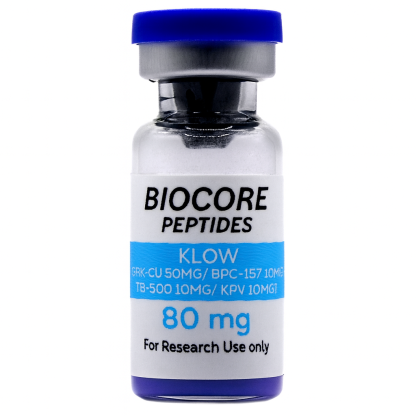
The bulk of published research centers on intestinal inflammation, particularly inflammatory bowel disease (IBD) and colitis models, where oral or nanoparticle-delivered KPV has reduced disease activity scores in rodents. It’s mainly studied for digestive conditions like inflammatory bowel disease, as well as wound healing and skin issues. The KLOW blend combines KPV with BPC-157, TB-500, and GHK-Cu in a single product.
The Importance of KPV
The morning or night guide walks through how goal shifts the ideal time. Timing matters less than route, but consistency helps. If tanning is the goal, see the Melanotan II profile instead of KPV. For gut health and IBD, dose KPV at 200 to 500 mcg per day orally, once daily on an empty stomach, for 4 to 8 weeks. Run your exact vial size through the peptide reconstitution calculator before drawing the first dose.
This systematic methodology distinguishes serious athletes from those who are merely guessing. Your decision is influenced by your objectives and your individual response. Ensure that you utilize appropriate insulin syringes (30-unit or 50-unit) for accurate measurement and keep a record of your reconstitution date. The typical dosage protocol for the KPV peptide in research starts at 200 mcg (0.2 mg) for each injection, potentially increasing to 500 mcg based on your objectives and personal response.
Factors to Consider for Ideal Timing
Your protocol should match your goal, not just copy someone else’s numbers. Input your vial size, reconstitution volume, and target dose, and the calculator spits out your syringe units. For most athletes, a simple spreadsheet or notes app works fine. The best KPV peptide dosage chart is one tailored to your vial size and target dose.
Proper site rotation prevents lipodystrophy and maintains consistent absorption kinetics throughout treatment cycles. Proper KPV (Ac-KPV-NH2) injection technique requires gauge insulin syringes with 1/2-inch needle length for optimal subcutaneous delivery. Post-treatment monitoring for 4-6 weeks helps assess durability of therapeutic effects and identify any rebound phenomena. Clinical investigators commonly recommend reducing the daily dose by 25% weekly when ending treatment cycles.